Episode Analysis
House of the Dragon Season 3 Episode 7 Review: The Balance Shifts
Episode 7 turns spectacle into consequence before the Season 3 finale, though one major storyline cannot match the central conflict's momentum.
By Editorial Desk ·

House of the Dragon Season 3, Episode 7, The Dragon in Winter, changes the finale question from whether the war will intensify to what its newly redrawn sides will do with their dragons. The August 2 episode delivers an aerial clash between four mounted dragons, puts Sunfyre back into the conflict, and gives Aegon a reason to stop running. The three reviews responded more positively to this hour than to much of the season, but its importance is more specific than that reception: events immediately alter each side's options before the finale rather than merely promising action later [S1][S2][S3].
The clearest consequence is Sunfyre's return. Aegon's dragon had been treated as lost, so the reveal restores an asset the Greens and the audience had effectively removed from their calculations. Sunfyre carries visible damage from earlier events, but that damage has not removed the dragon as a combatant. Paired with Aegon abandoning flight and choosing confrontation, that survival turns a shock reveal into a change that the finale must now account for [S2][S3].
Spoiler warning: The following analysis discusses major events from House of the Dragon Season 3, Episode 7.
Four dragons make the war feel immediate
The episode's largest sequence brings Rhaena on Sheepstealer, Daemon on Caraxes, Rhaenyra on Syrax, and Addam on Seasmoke into the same aerial conflict. The value of the scene is not simply the number of dragons on screen. It makes the civil war's central threat tangible: riders can form plans, but once several dragons collide, scale and control become unstable at the same time. The Forbes review particularly praised the sequence's force and the way the creatures register as animals rather than obedient effects, making the battle the episode's most convincing argument that escalation has already arrived [S1].
That sequence also gives the penultimate episode a payoff of its own. Reviews from Forbes and Winter is Coming emphasized the aerial conflict, while the broader dossier identifies consequential story movement alongside the spectacle. The distinction matters for an episode positioned before a finale. The Dragon in Winter does not rely only on an unresolved ending to create interest; it uses the battle to demonstrate what the conflict can now cost, then carries that pressure into the political shifts that follow [S1][S2][S3].
Sunfyre changes Aegon's choice
Sunfyre's return matters because it changes what Aegon can plausibly choose. A battle-damaged dragon is not the same advantage as an untouched one, yet it gives him a weapon and removes the assumption that he must remain in flight. The episode connects the dragon's survival to Aegon's move toward confrontation, so the reveal functions as character movement and a change in battlefield strength at once. The finale no longer begins with Aegon defined only by escape; it begins with him willing to use the resource that has returned to him [S2][S3].
The episode does not establish how effective that choice will be. Sunfyre's injuries remain part of the picture, and the sources do not report a result for the coming confrontation. What they do support is a different set of options for both factions. That is enough to create a concrete finale question without inventing an outcome: will Sunfyre's survival give Aegon leverage, or will committing a damaged dragon expose the limits of his position? [S2][S3].
The Blacks gain power and lose cohesion
The Blacks' position is complicated in the opposite direction. Rhaenyra's side can put several dragons into the air, but the episode also explores betrayals and widening divisions inside her faction. Those facts resist a simple reading in which the larger display of dragon power settles the contest. The battle shows the force available to Rhaenyra and her allies; the internal fractures raise the separate question of whether that force can be directed coherently when pressure is highest [S1][S3].
This is the episode's most useful political counterweight to the aerial spectacle. Sunfyre gives Aegon a renewed option, while division limits how confidently Rhaenyra can treat her own strength as an advantage. The sources stop short of resolving those tensions, so the responsible conclusion is not that either faction has secured control. Instead, Episode 7 leaves both sides with a newly sharpened vulnerability: one relies on a wounded dragon, and the other on an alliance showing visible strain [S2][S3].
Harrenhal is the uneven thread
Alicent's search reaches Aemond at Harrenhal, where his connection with Alys Rivers remains part of the story. This material earned a cooler critical response than the aerial action, with reviewers questioning how well its pace and execution matched the momentum elsewhere. That contrast is worth preserving rather than smoothing into blanket praise. The episode drew especially positive notices for its central developments, but not every storyline carries the same urgency [S1][S2].
The Harrenhal material nevertheless keeps Aemond and Alicent active as the other conflicts converge. Its limitation in this episode is pace, not absence of relevance: the thread continues, but the locked sources do not establish a comparable revelation to Sunfyre's return or a comparable payoff to the multi-dragon battle. Treating it as the episode's quieter and more contested component gives a more accurate picture of the hour than calling every strand equally successful [S1][S2].
What Episode 7 actually sets up
The finale now has three supported questions to answer. First, how much can Aegon change the contest with an injured but still dangerous Sunfyre? Second, can Rhaenyra convert multiple dragon riders into an advantage while loyalties inside the Black faction are fracturing? Third, what role will the continuing Harrenhal thread play once the war's aerial and political pressures meet? Those questions come directly from the episode's changes; they do not require a prediction about who wins [S1][S2][S3].
That is why The Dragon in Winter works as more than routine pre-finale positioning. The four-dragon confrontation provides immediate scale, Sunfyre's survival changes Aegon's available choices, and the divisions around Rhaenyra prevent the strategic picture from becoming simple. The Harrenhal material is less consistently praised, but that weakness does not erase the episode's central achievement: it sends the season into its final hour with the balance altered and the most important uncertainties made concrete [S1][S2][S3].
Editorial disclosure
Researched and drafted with Vertex AI from the sources listed below, then reviewed and revised by ShowVision's publisher before publication.
More images — may contain episode spoilers

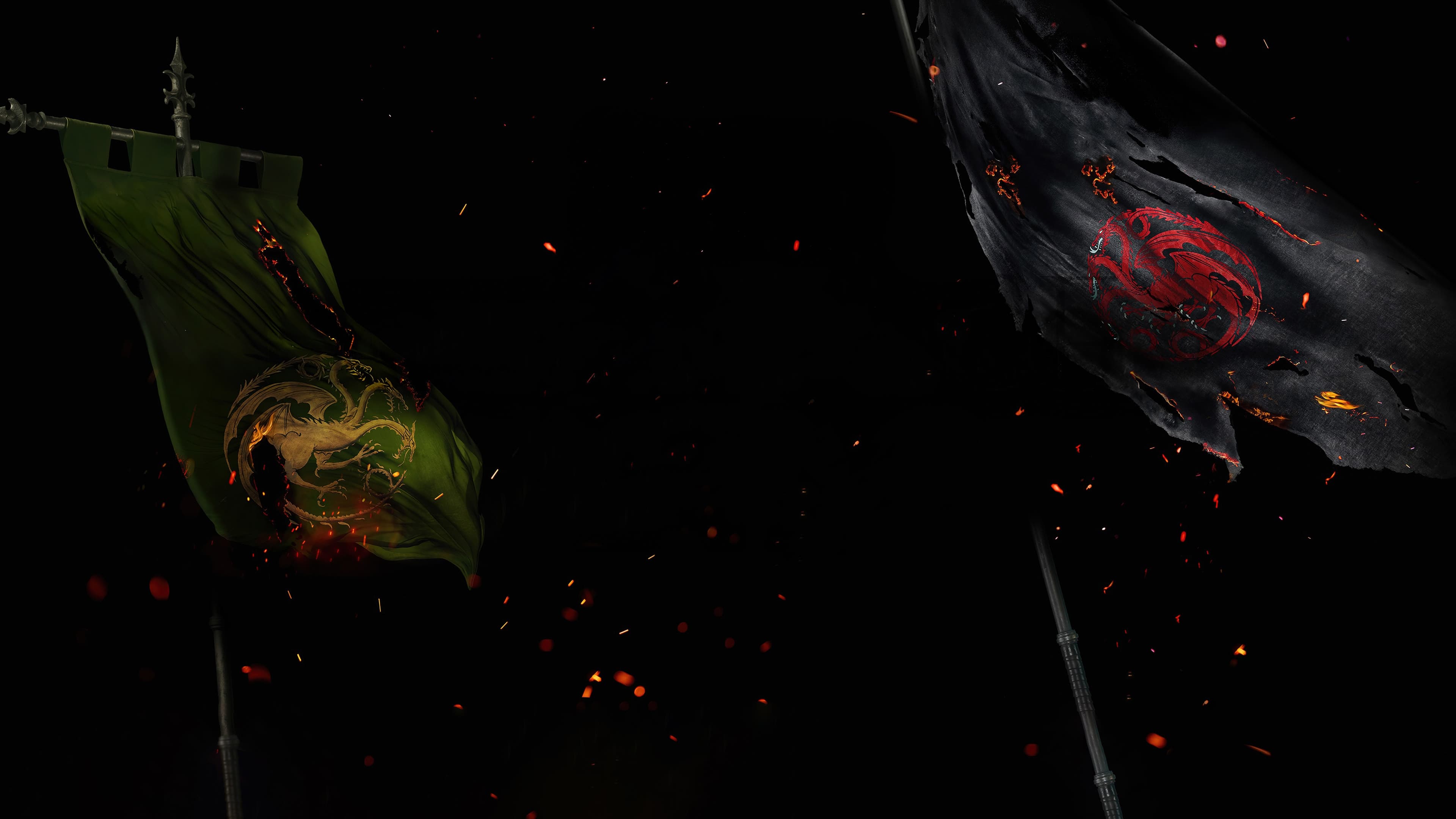


House of the Dragon episodes and season status
Continue from this story to the House of the Dragon show page for its current season status, episode guide, next release information, cast, and watchlist tools.
Sources
- [S1] Forbes: 'House Of The Dragon' Season 3, Episode 7 Recap: The Dragon In Winter
- [S2] Winter is Coming: House of the Dragon season 3 episode 7 recap and review: The dragons danced — and it was sheer unhinged chaos
- [S3] Seat42F: House of the Dragon Season 3 Episode 7 Recap & Review: “The Dragon in Winter” Sets the Stage for an Epic Finale